A DM that remembers
Most AI storytellers forget last week. This one doesn't.
A background chronicler keeps a running record of your world — people you met, promises you made, doors you left open. Bring up a name from four months ago and it lands.
One account. Two ways to play.
Bring your own group and run it with real campaign tools, or sit down any time and let an AI run the game. Your characters are one roster, good on either side.
For a human DM and their players: one map you scroll from the whole world to a single room, fog of war, a gazetteer of locations, the cast of NPCs with full stat blocks, tokens, drawing. Everything on one screen.
Free.
Run a real campaignNo scheduling, no cancelled sessions, no campaign that dies in month three. Solo or with friends, your world is waiting whenever you are.
Free to start. No card required.
Play with an AI DMAlready have an account? Sign in
A moment at the table
The lantern flickers. Behind the ledger counter, the clerk you paid three weeks ago will not meet your eye. You notice, now, that the ring on his finger is the same one you pulled from the drowned man at Kestrel Bay.
You I sit down across from him and set the second ring on the table.
He goes very still. Somewhere behind him, a door closes that was open a moment ago. "You," he says quietly, "were not supposed to come back."
Pick your era first. Then race, class, stats, and gear.
Takes about five minutes. Or let the builder fill the gaps.
Choose the tone, the difficulty, and the art style.
The Dungeon Master writes your opening scene from there.
Type what your character does. The DM answers.
Rolls, damage, loot, and levelling are handled for you.
Most AI storytellers forget last week. This one doesn't.
A background chronicler keeps a running record of your world — people you met, promises you made, doors you left open. Bring up a name from four months ago and it lands.
High fantasy is only the start.
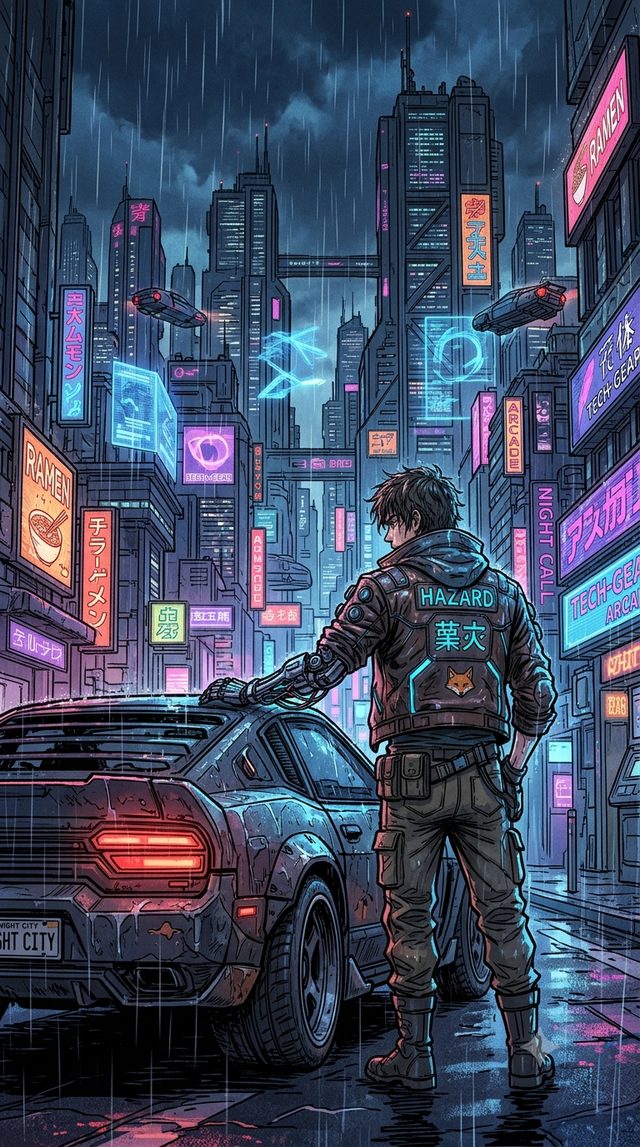
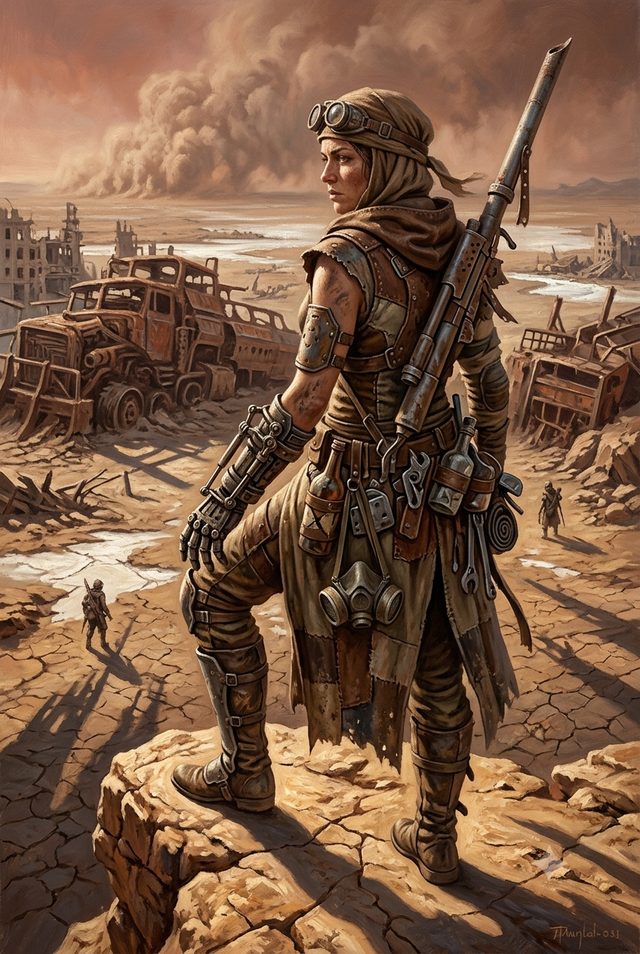
Sail the age of exploration. Run a heist in a neon city. Scavenge a wasteland. Your era decides what gear exists and how the world talks.
Turn on narration and the tale is read aloud.
The narrator reads the prose. Each speaking character is cast to their own voice and keeps it for the whole campaign.
The DM offers an illustration when a scene deserves one.
You accept or decline. Render a portrait of your character from their own sheet — race, class, scars, and the sword they're actually carrying.
Twenty body slots. Holsters, sheaths, pouches, and scopes.
A potion lives in the pouch on your belt. A two-handed weapon really does block your off hand. Armour changes recalculate your AC.
Stakes only exist if you can lose.
Characters who fall are laid to rest in the Hall of the Fallen, with the story of how they got there. Then you roll someone new.
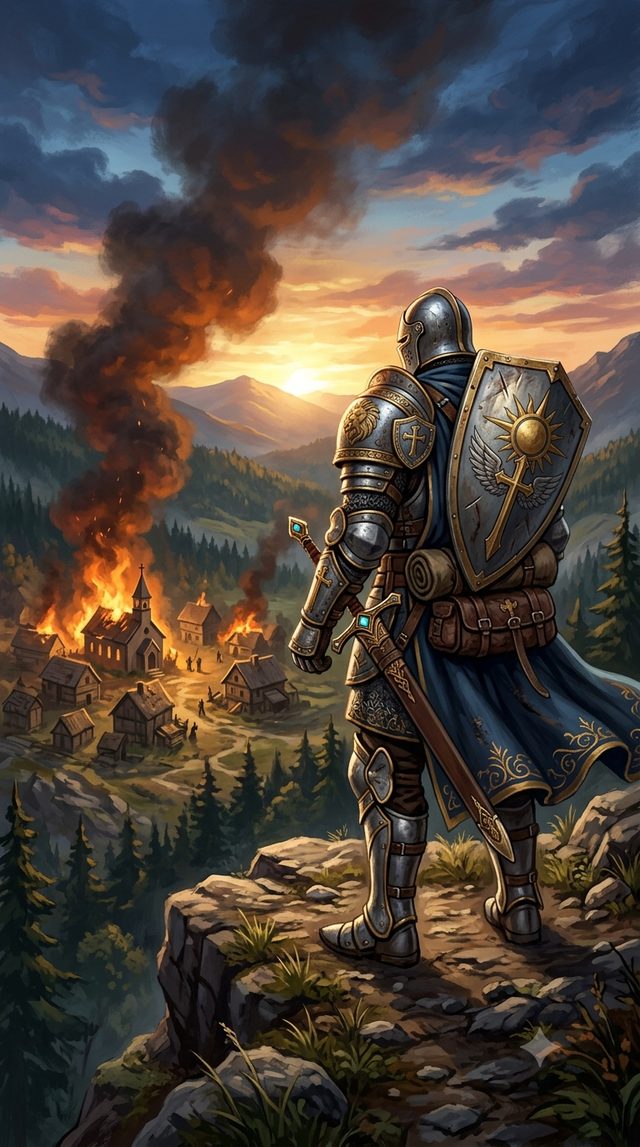
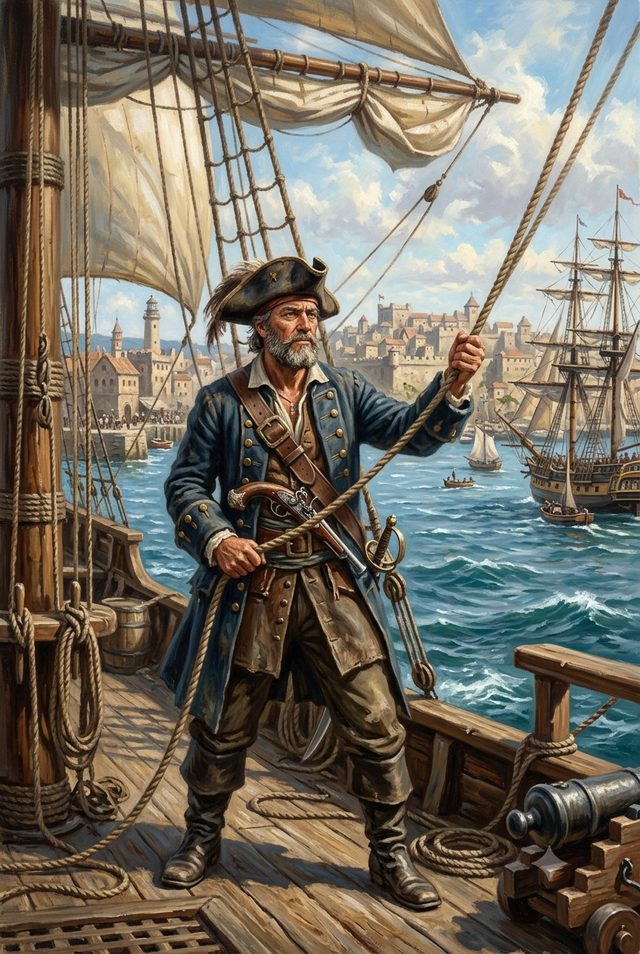
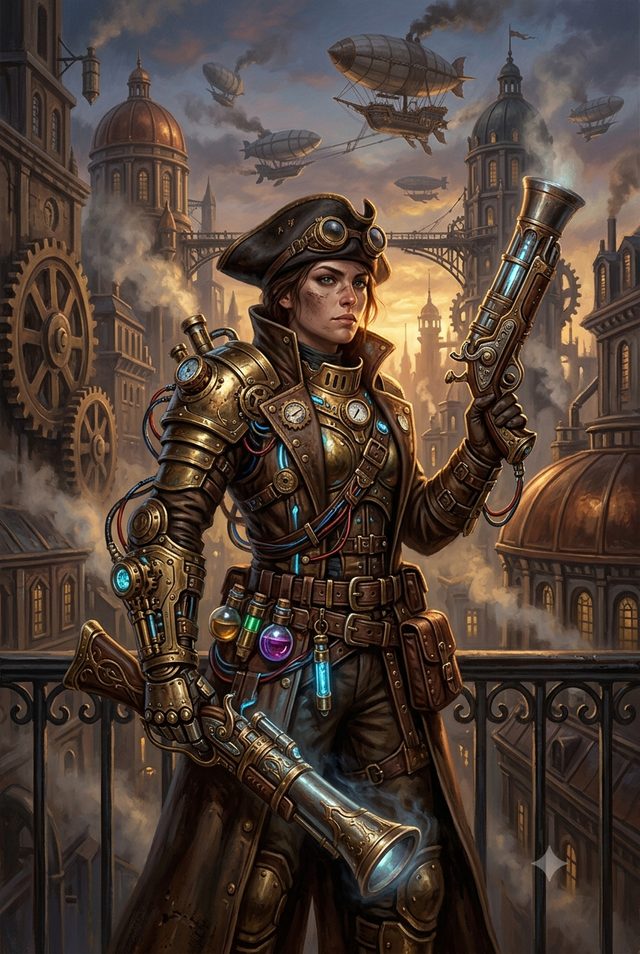
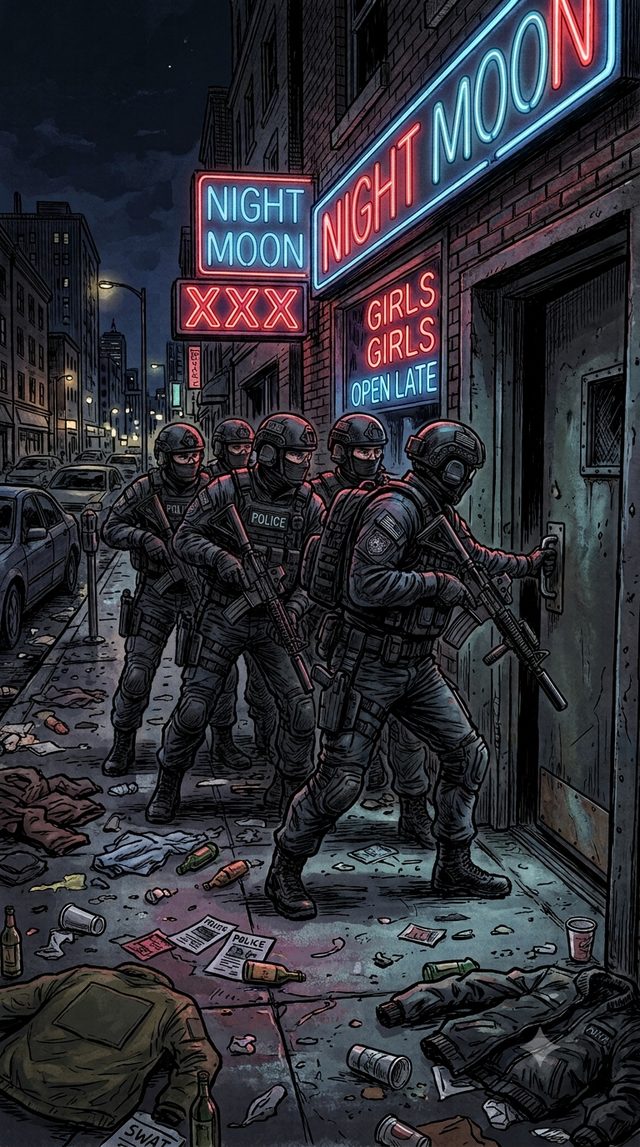
Six settings, each with its own gear, its own dangers, and its own voice.
Creating an account is free. Play runs on turn credits.
Plans and credit packs live on your account page once you're in.
Yes — and it's the part AI is genuinely good at. The Dungeon Master describes scenes, plays every character you meet, adjudicates what you try, and keeps the plot moving. It handles the rules bookkeeping in the background so you can stay in the story.
No. Solo play is the default, and it's what most people are here for. You can play at 2am for ten minutes or all Saturday, and nobody has to reschedule.
This is the thing DnD Forever was built to fix. A background chronicler summarises and stores your history as you play, so the DM can reach back to details from months earlier without you re-explaining them.
Yes. Campaigns can be joined by other players, with a shared party sheet so everyone can see the group's characters.
No. Describe what your character does in plain English. Rolls, modifiers, damage, and levelling are handled for you. If you do know the rules, the character sheet gives you full control.
Six: classic fantasy, the age of sail, steampunk, modern day, cyberpunk, and post-apocalyptic wasteland. Your era determines what equipment exists in the world.
Making an account is free. Play is metered in turn credits, so you only pay for the turns you actually take rather than a flat monthly fee you might not use.
No. DnD Forever is an independent AI-powered tabletop roleplaying game inspired by D&D-style play. It is not affiliated with, endorsed by, or produced by Wizards of the Coast.